
It is the country of colours; Marrakesh is the red city, Casablanca is the white, and
Chefchaouen is the blue pearl. It is the country of diversity, where you see Berbers, Arabs, and
Jews coexisting all together. It is a country of tongues; you hear the Arabic Darija, which is the
colloquial Moroccan, Amazighya of the Berbers, French, and Spanish. It is the country of
paradoxes that is famous for hash trade, but also for its spirituality and religiosity. It is a country of openness, where you see women riding motorcycles and are highly looked at, but in some cities, they
are only housewives due to the conservative culture. It is the country of magic and
superstitions, but also a country that is achieving administrative and political reforms. It is a
country of peace that annually attracts thousands of tourists under the umbrella of the sacred
festival.
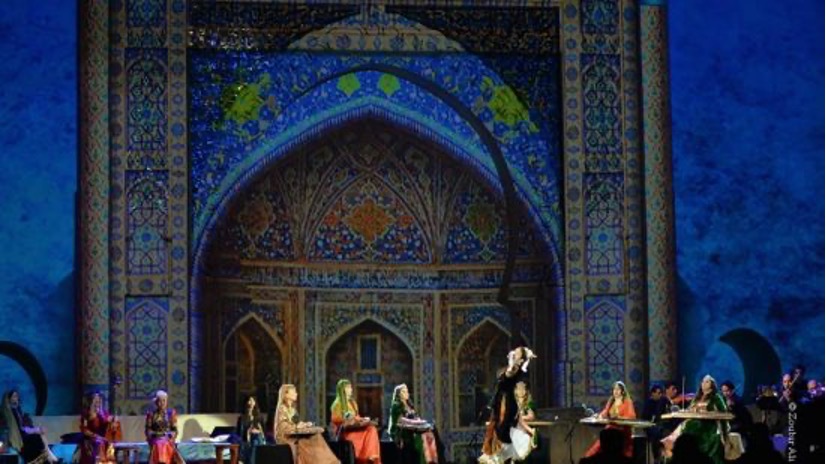
Every June, the city of Fez organises an international festival, where munshids from
different parts of the world come to sing for peace. Why Fez? Because it is the city of peace
where Muslims, Christians, and Jews coexist. In Marrakesh and Essaouira, musicians gather for
the same purpose. These festivals open a door to different cultures, and the state makes the best of this opportunity to present their culture in the best way possible to support tourism,
introducing the Moroccan art and folklore. Most importantly, the event sustains the sense of belonging and pride for the
locals.
Moroccan spiritual and folklore music is performed
without musical instruments, and it is not limited to performance during the religious events. You will notice that it usually depends on individual performance, accompanied by group chanting as a choir. Another type of spiritual music in Morocco is madih, which is typically performed by the Sufis orders by remembrance of God’s names and attributes as well as dhikr or praise of the Prophet and his family, ahl al bayt. This could also be performed in the Sufi corners, zawayah, where Sufis gather for their rituals.
One of the interesting musical bands in Morocco is Ibn Arabi band, who are named after the Sufi saint and philosopher Mohi al-Din Ibn al-Arabi. They perform Andalusian songs using Ibn Arabi poetry and the Andalusian tunes.Chanters were seen as the heirs of this spiritual path. Following in the footsteps of Jalal al-Din al-Rumi, who said, “My path to God is music,” Morocco expresses its spirituality through music and tunes.