
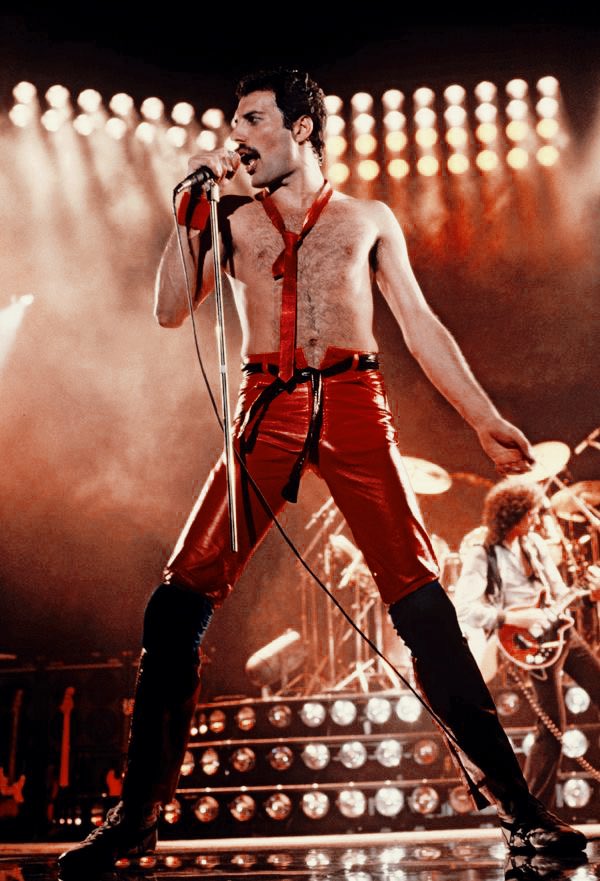
Bohemian Rhapsody is not just a story of rock stardom—it is a dazzling portrait of identity, culture, and ambition. The film follows Queen band and their iconic frontman, Freddie Mercury, culminating in the legendary Live Aid performance that cemented their place in music history.
Beneath the spectacle lies Mercury’s deeply personal journey as a first-generation migrant. Farrokh Bulsara was born to a Zanzibari Zoroastrian family, and he later changed his name to Freddie as he navigated the pressures of cultural displacement in Britain. His heritage both challenged and inspired his artistry, shaping a bold, distinctive musical identity. This tension comes alive in lyrics like “Bismillah,” which means “In the Name of Allah,” in Bohemian Rhapsody, and in “Mustapha” (“Mustapha, Ibrahim, Allah”) from the album Jazz, reflecting the rich linguistic, cultural, and Islamic influences of Zanzibar.
The film also confronts Mercury’s fluid sexual orientation, showing how personal and familial tensions shaped his life and music. He goes through a process of self-discovery, from being a heterosexual married man to being bisexual and then homosexual.
Not strictly a migration or religious drama, the movie masterfully weaves these themes into a vibrant musical biography. Rami Malek, the actor who played Freddie´s character, is himself a first-generation Egyptian migrant to the USA. He delivers an impressive Oscar-winning performance, earning the film four Academy Awards.